
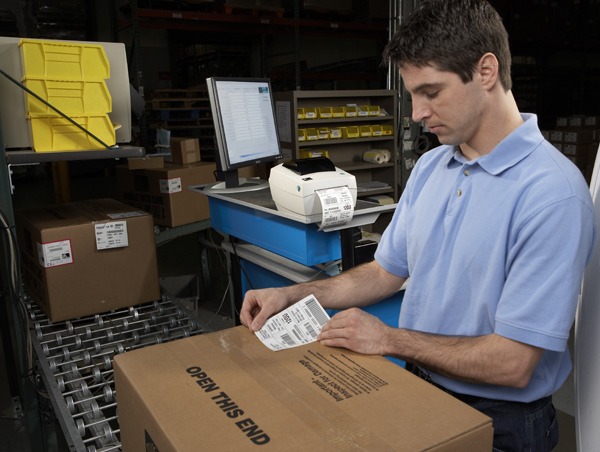
For UAE businesses—from Dubai warehouses to retail shops and manufacturing floors—the label on every product is a small but critical decision. The right barcode label material protects readability, resists environmental stress, and minimizes re-labeling costs. The choice isn’t just about price; it’s about durability, print quality, and performance in your operating environment. This guide walks you through the key factors, compares common materials, and helps you decide which option fits your product, process, and climate.
Direct answer / overview
In most UAE applications, your selection should align with how the item will be used, where it will be stored, and how harsh the environment is. A practical starting point is:
- <strong Indoor, dry environments: Paper labels are often the most cost-effective option for short-term labeling.
- <strong Moisture or hand-washable surfaces: BOPP labels offer better moisture resistance and durability.
- <strong Harsh or outdoor conditions, chemical exposure, or wide temperature ranges: Synthetic/PVC labels provide the highest durability and chemical resistance.
Consider adhesive behavior, label size, and print type alongside material. In the UAE climate, humidity, temperature swings, and outdoor exposure can affect readability and adhesion over time, so matching material to environmental conditions is essential.
Key factors to consider
Below are the most important decision drivers when choosing barcode label material for your product. Each factor maps to practical implications you’ll encounter in everyday UAE operations.
1) Environment: indoor vs outdoor use
<strong Indoor: Paper labels often provide excellent print quality at a lower cost. They’re suitable for product labeling on shelves, in offices, and in controlled storage or point-of-sale environments.
<strong Outdoor or exposed: Labels that must withstand sun, heat, and abrasion benefit from BOPP or synthetic/PVC constructions. These materials resist peeling, fading, and moisture more effectively than standard paper.
2) Moisture and chemical exposure
In environments where labels may encounter rain, humidity, or cleaning chemicals, moisture resistance is critical. BOPP and synthetic/PVC labels are generally more forgiving than paper in these scenarios.
3) Temperature and abrasion
UAE warehouses and manufacturing floors often see temperature fluctuations. Heat can impact adhesive performance and label readability. For abrasion-prone surfaces (e.g., repeated handling or contact with equipment), tougher materials reduce wear and legibility loss over time.
4) Adhesive compatibility
The choice of adhesive matters as much as the label body. Factors include the surface texture (flat, curved, or rough), cleanliness, and exposure to solvents. If you’re labeling in a cold or refrigerated environment, you may need a adhesive rated for low temperatures.
5) Label lifespan and cost of ownership
Short-term product labeling may justify paper labels, while items with longer-use cycles or exposure to challenging conditions justify BOPP or synthetic/PVC. A higher upfront material cost can be offset by reduced re-labelling and fewer failed scans.
6) Printing considerations and compatibility
The material you choose should work well with your printer type (thermal transfer vs. direct thermal) and your printhead resolution. Some materials hold up better with thermal transfer processes, while others are optimized for direct thermal printing.
Detailed comparison / explanation
Understanding the practical differences between common barcode label materials helps you pick the right match for your products. The table below outlines typical characteristics and suitable applications. Note that exact performance can vary by adhesive and finish, so testing in your environment is recommended.
| Material | Best For | Durability | Moisture/Water Resistance | Outdoor Exposure | Temperature Tolerance | Typical Cost | Common Applications |
|---|---|---|---|---|---|---|---|
| Paper labels | Indoor, dry environments; short-term labeling | Lower durability | Low to moderate moisture resistance | Not ideal for outdoor exposure | Moderate temperatures typical of office/storage areas | Lower | Retail product labeling, tags, internal barcodes in controlled areas |
| BOPP labels | Moisture-prone environments; shelves and storage | Good durability; more robust than paper | Good moisture resistance; water exposure acceptable | Suitable for some outdoor use with protection | Better resistance to temperature changes | Moderate | Food products, electronics, household goods, shipping labels |
| Synthetic/PVC labels | Harsh environments; outdoor, chemicals, heavy handling | High durability; abrasion and chemical resistance | Excellent moisture and chemical resistance | Suitable for outdoor exposure in many cases | Broad temperature tolerance | Higher | Outdoor signage, industrial labels, harsh production lines |
Which option is right for you?
Tailoring your choice to the use case reduces waste and improves scanning reliability. Consider the following scenarios common to UAE operations:
- Small business / low-volume labeling: If your products are labeled indoors and don’t face moisture or repeated handling, paper labels offer excellent value and legibility.
- Retail and shelf labeling: Indoor environments with occasional cleaning benefit from BOPP labels for better moisture resistance and durability without a large premium.
- Warehousing and logistics: For items moved through air-conditioned facilities or exposed to damp conditions, BOPP provides a reliable balance of cost and durability.
- Manufacturing and heavy-use environments: Synthetic/PVC labels withstand abrasion, chemical exposure, and higher wear, making them a safer long-term choice.
- Outdoor labeling or harsh environments: Opt for synthetic/PVC labels with robust adhesives; ensure printing compatibility with your printer and weather considerations.
- High-volume printing: If you print many labels daily, consider materials that minimize reprints due to environmental damage; BOPP is often a practical middle ground.
Any environment-specific challenge—extreme heat in summer months, humidity in coastal UAE regions, or frequent handling—should push your choice toward material with higher durability. If in doubt, start with a small pilot across a subset of products and monitor readability, adhesion, and wear for a couple of weeks.
Recommended SoluWise products
The materials below cover the most common customer needs. They’re designed to pair with standard UAE printing workflows and offer reliable performance across typical product labeling scenarios.
SoluWise paper labels
What it is: A cost-effective, inner-binder type label suitable for dry indoor use and short product cycles. Ideal for general product labeling in offices, showrooms, or controlled storage.
Who it suits: Small businesses, startups, and product lines with limited moisture exposure or short shelf life. Useful for quick-turn labeling where print quality is the priority and long-term durability isn’t critical.
Why it may be appropriate: Minimal material cost per label; straightforward printing; good legibility on standard printers.
BOPP labels
What it is: A durable, moisture-resistant label material that performs well in many UAE environments. Intermediate-level durability suitable for many indoor and light outdoor settings.
Who it suits: Retail products, electronics, packaged goods, and items stored in humid environments or subject to occasional cleaning.
Why it may be appropriate: Better moisture resistance and abrasion tolerance than plain paper; commonly compatible with a wide range of printers and adhesives.
Synthetic/PVC labels
What it is: High-durability material designed for demanding environments—outdoors, harsh chemical exposure, or repeated handling.
Who it suits: Outdoor labeling, industrial goods, machinery, or products that go through rugged handling and cleaning in UAE warehouses or workshops.
Why it may be appropriate: Superior chemical resistance, weather resistance, and longevity; minimizes re-labelling in challenging conditions.
Common mistakes to avoid
- Assuming the cheapest label material is always best for every product or environment.
- Forgetting about adhesive performance in extreme temperatures or on curved surfaces.
- Not testing label readability after exposure to typical cleaning agents or solvents used in your facility.
- Neglecting printer compatibility (direct thermal vs. thermal transfer) when selecting material.
- Overlooking the impact of label size and font choice on long-term readability and GS1 readability requirements.
Frequently Asked Questions
Q1: What is the difference between paper, BOPP, and synthetic/PVC label materials?
A1: Paper labels are cost-effective and best for indoor, dry use. BOPP labels offer better moisture resistance and durability, suitable for damp environments. Synthetic/PVC labels provide the highest durability, chemical resistance, and outdoor resilience, ideal for harsh conditions and long-term use.
Q2: Can I reuse or repurpose labels if conditions change?
A2: It’s generally not advisable to relabel products after exposure has started; replace with a more durable material if the environment changes or if products will be stored longer than initially planned.
Q3: How do I choose the right adhesive?
A3: Adhesive choice depends on surface type (flat, curved, or textured), cleanliness, and exposure to moisture or solvents. For cold storage or humidity, seek adhesive rated for low temperatures and moisture resistance.
Q4: Do SoluWise offer all these label materials?
A4: SoluWise provides paper labels, BOPP labels, and synthetic/PVC label options designed to suit a range of UAE applications. If you’re unsure, SoluWise can help tailor a material and adhesive combination to your product and environment.
Q5: How should I test a material before large-scale deployment?
A5: Start with a pilot batch on representative products, print several batches, and expose them to typical handling, cleaning agents, and environmental conditions. Evaluate readability, adhesion, and any color or print wear over 1–2 weeks.
Q6: Are there regulatory considerations for barcode labels in the UAE?
A6: This guide focuses on material selection and practical considerations. For GS1 registration or regulatory requirements, ensure your label and barcode meet your industry standards and any specific certification needs relevant to your products.
Final recommendation
Choosing the right barcode label material hinges on understanding your product’s environment, exposure, and handling. If your items are labeled indoors with low moisture, start with SoluWise paper labels for cost-efficient labeling. For products exposed to moisture or frequent handling, consider BOPP labels. When the environment is harsh—outdoors, with chemicals, or high abrasion—Synthetic/PVC labels are the prudent choice. Pair the material with an appropriate adhesive and verify printer compatibility to ensure reliable scans and long-term readability.
If you’re unsure which label material, printer, or adhesive combination is right for your application, SoluWise can help you select the right setup based on your label size, printing volume, and operating environment. Contact us to start a tailored assessment for your UAE business.


